Skip to content
Home
About
Who We Help
Services
Resources
Home
About
Who We Help
Services
Resources
Contact Us
At
SensOTRy
, we focus on helping those with...
Somatosensory Impairment
Changes or loss in the body’s sense of touch, pressure, vibration, temperature, pain, and body position (proprioception).
Cause:
Often due to injury, nerve damage, stroke, chemo, or conditions like diabetes or neuropathy.
How it feels:
Things may feel sharp, painful, numb, dull, tingly, or “not the same” as before
Typical experiences:
Trouble identifying items, textures or/and temperatures
Struggle with fine motor tasks
Difficulty judging pressure, grip, or limb position
Feel disconnected from the body overall
Our Approach:
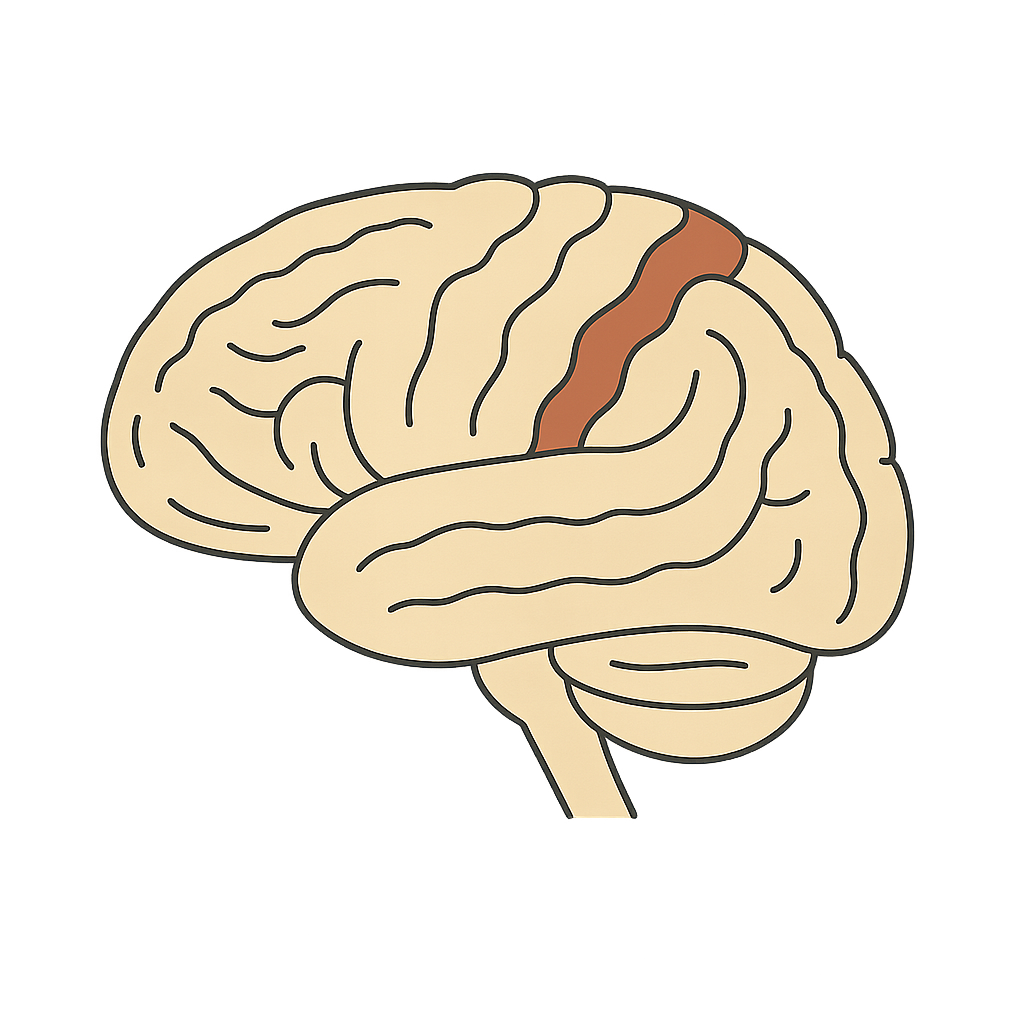
Educate on the impacts of cortical changes in relation to current daily limitations.
Promote neuroplasticity with guided, structured activities to retrain the affected sensory pathways.
Integrate consistent practice to strengthen neural connections and sensory mapping in the brain.
Empower individuals to take control of their recovery with the proper tools and information.
Sensory Processing Challenges
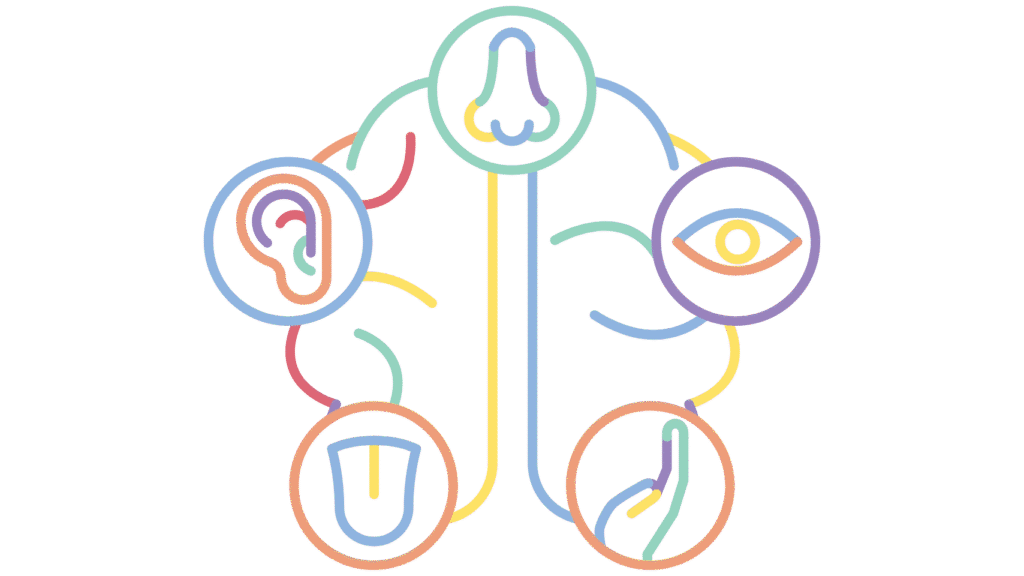
Difficulty with navigating daily life with ease due to trouble with interpreting and organizing sensations from the body and the environment.
Cause:
Can occur with or without injury or illness.
Sometimes related to stress, brain connectivity, neurodevelopmental differences, or neurodivergent patterns.
How it feels:
Everyday sensations may feel
too much, too little,
or confusing — like being easily overwhelmed or under-responsive.
Typical experiences:
Avoid certain fabrics, textures, or situations.
Feeling tense, restless, or fatigued after busy environments
Increase emotional exhaustion in the social environment or relationships.
Difficulty with focusing and attending to tasks; reduced productivity
Our Approach:
Build one’s sensory awareness and insight about personal sensory needs.
Educate and develop self-modulation techniques that nurture awareness and sensory integration.
Develop a sensory diet to address nervous system needs.
Integrate learned techniques into daily practices to improve an individual’s self-efficacy and performance.